

 See My Latest Article on HelloNation
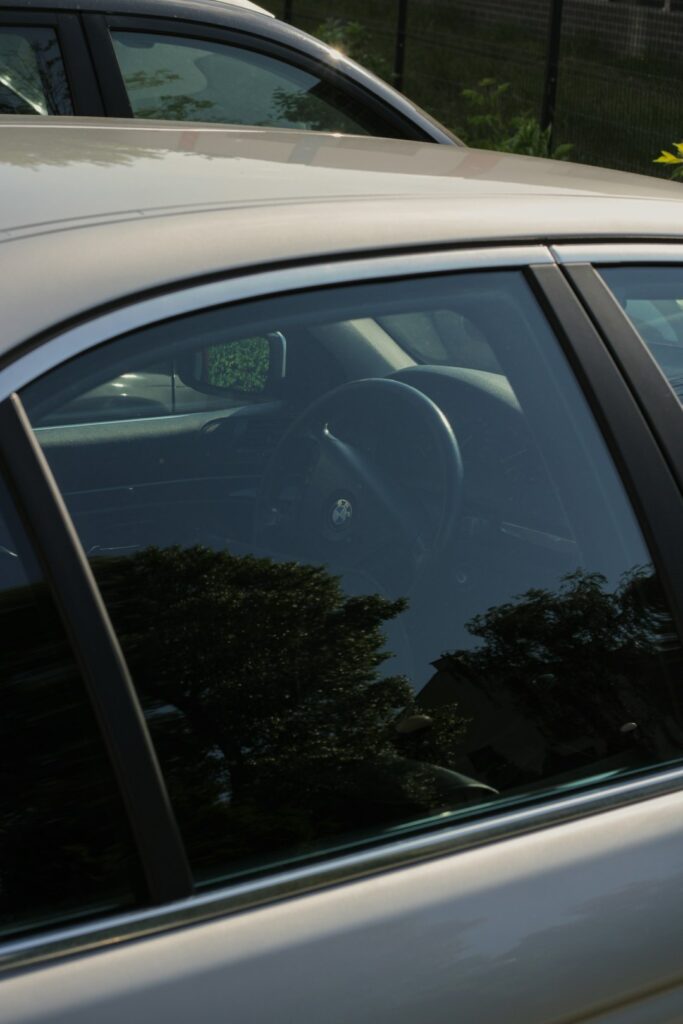
What does window tinting do for a vehicle?
Vehicle window tinting is a thin film applied to automotive glass to reduce sunlight, glare, ultraviolet exposure, and heat entering the cabin. Depending on the material and shade, tint can also improve privacy and help protect interior surfaces from fading.
For residents of Voorhees, NJ, the benefits are most noticeable during bright summer driving, long commutes, school drop-offs, shopping trips, and vehicles that sit outdoors for much of the day. Tint does not eliminate heat or glare completely, but a properly selected film can make the cabin more comfortable and reduce some of the daily strain caused by direct sunlight.
Can window tint keep a car cooler?
Yes. Window film can reduce the amount of solar energy entering through the glass, which may help lower interior temperatures during sunny weather. The effect is especially noticeable on vehicles with large side windows, rear glass, or panoramic roof sections.
A cooler cabin can provide several practical advantages:
- Less heat buildup while a vehicle is parked
- Reduced reliance on maximum air conditioning
- Faster improvement in comfort after entering a hot vehicle
- Less direct heat on passengers sitting beside the windows
Tint is not a substitute for shade, ventilation, or air conditioning. A dark film may look cooler from the outside without providing the same level of heat rejection as a higher-performing, lighter film. Film construction matters as much as visible darkness.
Does tint protect drivers and passengers from ultraviolet rays?
Most quality automotive window films are designed to block a substantial portion of ultraviolet radiation. This can help reduce exposure through the side and rear windows, although the amount of protection depends on the specific film and the glass already installed by the vehicle manufacturer.
Ultraviolet exposure is also a concern for the vehicle itself. Repeated sunlight can contribute to fading, cracking, drying, and discoloration of:
- Dashboard materials
- Leather and fabric seats
- Door panels
- Armrests
- Carpeting
- Child safety seats and other interior items
Tint will not prevent all interior aging. Heat, humidity, cleaning products, friction, and normal use also affect cabin materials. However, reducing direct solar exposure can be useful, particularly for vehicles parked outside through the warmer months.
How can window tint reduce glare?
Tint can soften glare from bright sunlight, reflective pavement, nearby vehicles, and snow or wet roads. This may make driving more comfortable, especially during early morning and late afternoon when the sun sits low in the sky.
Glare reduction is different from improved vision in every situation. Very dark windows can make it harder to see into or out of the vehicle at night, during storms, or in poorly lit parking areas. Drivers should choose a level that reduces discomfort without compromising visibility.
Tint does not replace sunglasses, a clean windshield, properly adjusted mirrors, or safe following distances. Keeping the inside and outside of the glass clean is also essential because film can make smudges and haze more noticeable in certain lighting.
Does tint improve privacy and security?
Tint can make it more difficult for people outside the vehicle to see belongings or passengers, particularly when the interior is darker than the surrounding environment. This may provide a greater sense of privacy during travel or while the vehicle is parked.
Privacy is not the same as security. Tint cannot prevent a break-in, and valuables should not be left visible inside a vehicle. At night, the interior may still be easy to see from outside when cabin lights are on. Rear privacy can also make it more difficult for other drivers, pedestrians, or emergency personnel to observe what is happening inside.
Some vehicle owners also value the added layer of film because certain types of window film may help hold glass fragments together after breakage. This does not make the glass unbreakable, and it should not be treated as a substitute for normal vehicle security precautions.
Can tint protect window glass from breaking?
Window film may help retain broken glass in place, depending on its thickness, adhesive, and installation quality. This can reduce the spread of loose shards inside the cabin after an impact.
The benefit is limited. Automotive tint is not the same as security glazing, laminated glass, or a protective barrier designed for impact resistance. It may reduce some mess after glass breaks, but it will not reliably stop an object from penetrating the window.
Is vehicle window tint legal in New Jersey?
New Jersey has strict rules concerning aftermarket sunscreening material. In general, aftermarket tinting is not permitted on the windshield or the front side windows unless the vehicle qualifies for an approved medical exemption. The state’s medical sunscreening process requires approval before qualifying tint is installed, and documentation must be kept in the vehicle.
Rules for rear windows can depend on the vehicle, the glass, the material used, and applicable equipment requirements. Factory-installed privacy glass is not always treated the same as film added after manufacture. Reflective or mirror-like materials can create additional concerns.
Before installing tint, vehicle owners should verify current requirements through the New Jersey Motor Vehicle Commission and confirm that the material and placement are compliant. A tint shade that is common elsewhere may not be lawful for a passenger vehicle operated in New Jersey. Compliance also matters during inspection and when a vehicle is sold or transferred.

What does “percent tint” mean?
The percentage usually refers to visible light transmittance, or VLT. A higher VLT percentage means more light passes through and the film appears lighter. A lower percentage means less light passes through and the film appears darker.
For example:
- Higher VLT generally means a lighter appearance and easier nighttime visibility.
- Lower VLT generally means a darker appearance and greater privacy.
- The final result depends on both the film and the original glass.
- Factory privacy glass may make an added film appear darker than expected.
The visible shade alone does not tell the full story. Two films with a similar appearance may differ significantly in heat rejection, ultraviolet protection, glare control, color stability, and optical clarity.
Are there drawbacks to tinting a vehicle?
Tint can be useful, but it is not automatically beneficial in every situation. Potential drawbacks include reduced nighttime visibility, bubbling or discoloration from poor materials, installation defects, difficulty removing old film, and conflicts with state requirements.
Film can also make it harder to see cyclists, pedestrians, pets, or objects near the vehicle in low light. This deserves special attention for drivers who regularly use unlit roads, park outdoors at night, or transport children and older passengers.
A vehicle that already has dark factory glass may need only a light, heat-rejecting film—or none at all. Choosing based only on appearance can lead to more darkness than is practical.
What should Voorhees drivers consider before choosing tint?
The most useful choice depends on how the vehicle is used rather than on appearance alone. Consider:
- Whether the vehicle is parked outdoors during summer
- How much afternoon sun reaches the driver or passengers
- Whether children, pets, or people with light sensitivity regularly ride inside
- How often the vehicle is driven at night
- Whether the vehicle already has privacy glass
- Whether the film complies with New Jersey requirements
- Whether heat rejection or privacy is the main goal
For many drivers, a legally compliant, lighter film with strong heat and ultraviolet performance offers a better balance than the darkest available option. The practical goal is a cabin that is more comfortable and protected without reducing safe visibility.