

 See My Latest Article on HelloNation
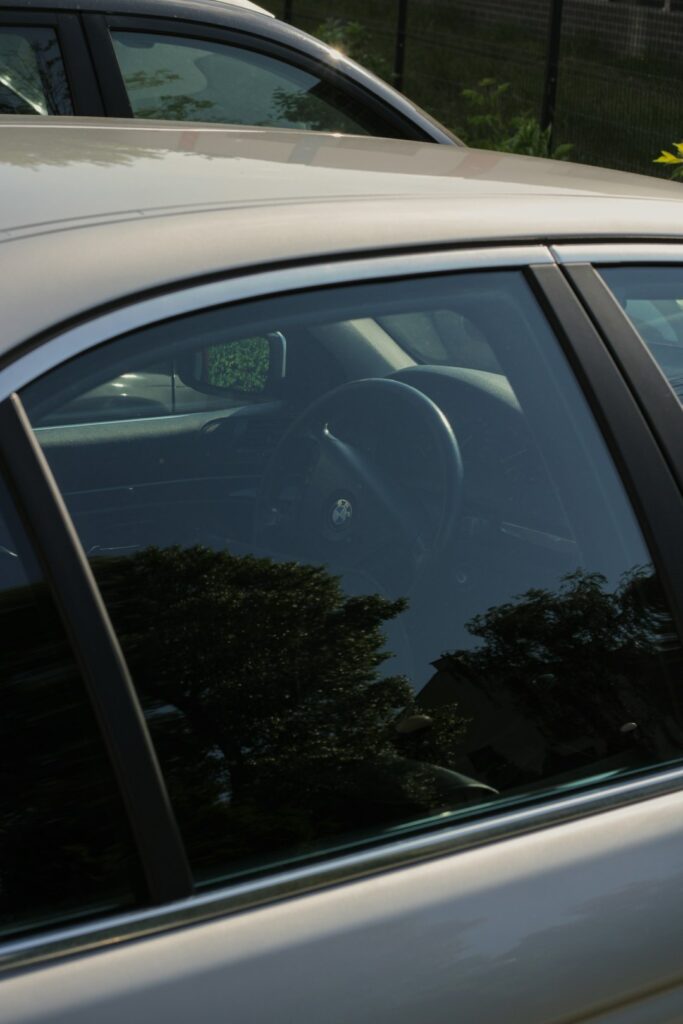
For drivers in Voorhees, NJ, the right window tint darkness depends on more than appearance. A suitable shade should provide useful glare and heat reduction while preserving clear nighttime visibility and staying within New Jersey’s rules.
Tint darkness is usually described by visible light transmission, or VLT. A higher VLT percentage means a lighter tint because more visible light passes through the glass. A lower percentage means a darker tint.
For example:
- 70% VLT allows substantial light through and looks relatively clear.
- 50% VLT provides a noticeable shade while retaining good visibility.
- 35% VLT looks moderately dark and offers more privacy.
- 20% VLT is very dark and can make nighttime viewing more difficult.
- 5% VLT, sometimes called “limo tint,” is nearly opaque from outside.
What tint darkness works best for everyday driving?
For many daily drivers, a medium shade on the rear windows offers a practical balance between comfort, privacy, and visibility. A lighter shade is generally easier to live with on vehicles that are driven often at night, parked outdoors, or used by multiple household members.
The best choice depends on where the film is installed:
- Windshield: Avoid adding dark film. New Jersey generally restricts aftermarket tint on the windshield except for approved medical circumstances. A clear, compliant sun-screening product may be allowed in specific situations, but a dark windshield is not a practical choice for ordinary driving.
- Front side windows: A very light or clear appearance is usually the safest approach because these windows affect direct observation, turning, lane changes, and interaction with law enforcement.
- Rear side windows and back glass: Darker shades may be more suitable, depending on the vehicle, existing factory glass, and visibility requirements.
- Small quarter windows: These may appear darker than expected because their size and angle reduce the amount of visible light entering the cabin.
The installed film does not act alone. Factory privacy glass already reduces light transmission, so adding a film with a stated VLT can result in a much darker final shade than expected.
How does New Jersey law affect tint selection?
New Jersey places significant restrictions on aftermarket tinting of the windshield and front side windows. In general, post-production tint that reduces light transmission on those areas is not treated the same way as factory-installed glazing.
A medical exemption may allow approved sunscreening materials on the windshield or front side windows for a qualifying photosensitivity condition. The exemption requires documentation and must be handled through the New Jersey Motor Vehicle Commission. Carrying the required paperwork matters because it may be requested during a traffic stop or vehicle inspection.
Rear-window rules and equipment requirements can also depend on the vehicle’s design. Vehicles with darker rear glass should have properly functioning exterior mirrors on both sides. Tint must not obstruct required lamps, inspection decals, or the driver’s view.
New Jersey tint rules can change, and proposed legislation is not the same as an enacted law. Before selecting a shade based on something seen online, check the current requirements that apply to the specific window location and vehicle type.
Is darker tint always better for heat and glare?
No. Darker tint can reduce visible brightness, but darkness alone does not determine how well a film manages heat. The film’s construction and solar-control properties can matter as much as its VLT rating.
A lighter film may still reduce ultraviolet exposure and cabin heat while preserving better visibility. Some darker films primarily change appearance and privacy without providing the same level of solar performance.
For a vehicle used during bright summer conditions, consider these factors together:
- Visible light transmission
- Infrared and total solar energy reduction
- Ultraviolet protection
- Interior color and material
- Size and angle of the windows
- Existing factory glass
- Nighttime driving habits
A black interior can feel warmer and visually darker than a light interior even with the same window film. Large glass roofs, steeply angled rear windows, and uncovered dashboards can also affect perceived heat.
How should nighttime driving influence the decision?
Nighttime visibility should be treated as a primary factor, not an afterthought. A shade that looks comfortable during a sunny afternoon may make it harder to see pedestrians, cyclists, unlit objects, lane markings, or vehicles approaching from the side after dark.
This concern is especially relevant during rainy conditions. Water on the glass, reflections from headlights, and reduced contrast can make dark rear tint feel substantially darker. Seasonal conditions in Voorhees, including early winter sunsets, wet roads, and occasional snow or ice, make clear visibility valuable for much of the year.
Drivers who frequently travel after sunset may prefer:
- A lighter shade on the front side windows
- A moderate shade rather than an extremely dark shade on the rear glass
- A film that reduces glare without creating a mirror-like appearance
- A clean, haze-free installation with no bubbling or distortion

If reversing relies heavily on the rear window, an overly dark shade can be inconvenient. A properly adjusted camera and bright reverse lamps can help, but they do not eliminate the need for adequate visual awareness through the glass.
What does “matching the factory tint” actually mean?
Factory privacy glass and aftermarket tint are different. Factory glass is manufactured with color or shading built into the glass itself, while film is applied to the surface afterward.
Two windows may look similar from outside but have different VLT readings. A film that appears medium-dark by itself can become much darker when installed over factory privacy glass. The combined result should be measured rather than guessed.
Before choosing a film, determine:
- Whether the vehicle already has privacy glass
- Which windows contain factory shading
- Whether the final VLT will be measured through both glass and film
- Whether the front windows have a different baseline than the rear windows
This is one reason a labeled “35% film” does not always produce a uniform 35% appearance across the vehicle.
Does tint darkness affect vehicle safety and comfort?
Yes. Darker tint can improve privacy and reduce visual distractions from bright sunlight, but it can also limit observation. Drivers may have more difficulty checking blind spots, spotting people near the vehicle, or judging distance in dim conditions.
Tint can also affect the cabin experience. Moderate shading may make children, pets, and rear-seat passengers more comfortable during summer travel. However, darker glass can make the interior feel closed in and may require more frequent use of headlights or interior lighting.
Tint should never be used to conceal unsafe cargo, obstruct required lighting, or compensate for poor mirror adjustment. Window film is an accessory, not a substitute for careful driving habits.
A practical way to choose a shade
Start with the lightest shade that meets the main goal. If glare and heat are the concern, evaluate a higher-performance lighter film before moving to a much darker option. If privacy is the priority, use the rear windows while keeping the driver’s sightlines as clear as possible.
A sensible decision process is:
- Check New Jersey restrictions for each window location.
- Identify existing factory privacy glass.
- Consider how often the car is driven at night.
- Account for rain, winter darkness, and parking conditions.
- Compare the final combined shade, not just the film label.
- Avoid highly reflective or mirror-like appearances.
- Confirm that the finished glass does not create bubbles, haze, distortion, or blocked visibility.
For many households, the most comfortable setup is a conservative front-window appearance with moderate rear shading. The ideal tint is not necessarily the darkest option; it is the shade that provides useful solar comfort and privacy without creating legal concerns or making ordinary driving more difficult.