

 See My Latest Article on HelloNation
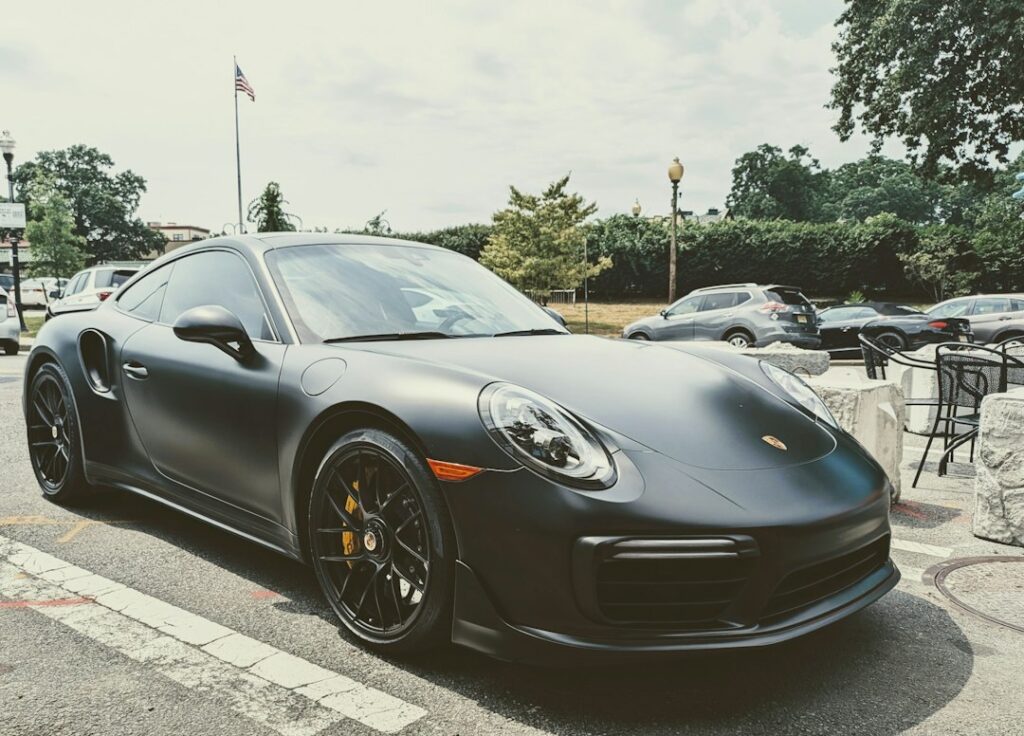
For drivers in Voorhees, NJ, window tint is legal in some parts of a vehicle but heavily restricted on the windshield and front side windows. New Jersey generally permits factory-installed glass tint and limited windshield shading, while aftermarket tint film on the front windows is allowed only under narrow exceptions, primarily an approved medical exemption.
Understanding the difference between factory glass, aftermarket film, and medical sunscreening can help prevent inspection problems and unexpected traffic violations.
Is window tint legal in New Jersey?
Yes, but the answer depends on which window is tinted and how the tint was applied.
New Jersey’s rules are stricter than those of many other states. For an ordinary passenger vehicle:
- Aftermarket tint film generally cannot be added to the windshield or the front side windows next to the driver and front passenger.
- A narrow strip of shading is permitted across the uppermost portion of the windshield, generally limited to the area above the manufacturer’s AS-1 marking or the top six inches.
- Factory-installed tinted glass may be permitted because it was built into the vehicle before sale and is treated differently from add-on film.
- Tint on rear side windows and the rear window is generally less restricted, although the vehicle still must meet other equipment and visibility requirements.
The key issue is not simply whether a window looks dark. The law distinguishes between original vehicle glass and material applied after manufacture.
Can the front windows be tinted?
For most drivers, aftermarket tint on the front side windows is not legal in New Jersey.
The front side windows are the windows immediately to the left and right of the driver. Applying a dark, light, reflective, or nearly clear film to those windows can still create a compliance issue if the film changes the glass after the vehicle was manufactured.
This is a common source of confusion because a film may appear very light from inside the vehicle. Appearance alone does not determine legality. A film can reduce light transmission enough to violate the rule even if it does not look especially dark.
The same general restriction applies to adding tint across the main viewing area of the windshield. A permitted upper strip does not make full-windshield tint legal.
Is rear window tint allowed?
Rear-window and rear-side-window tint is treated more permissively than front-window tint in New Jersey. Many vehicles are sold with dark rear glass from the factory, and additional rear-window film may be allowed if it does not create another equipment or safety violation.
Drivers should still be cautious with:
- Highly reflective or mirrored material
- Tint that obstructs required lighting or visibility
- Film that interferes with a vehicle’s identification markings
- Rear tint used on a vehicle that requires clear visibility for a specific work or safety purpose
A vehicle with dark rear glass should also have properly functioning exterior mirrors. Good mirror visibility is especially important during nighttime driving, rain, snow, and periods of reduced visibility.
In the seasonal conditions common around Voorhees, darker rear glass can make it harder to see cyclists, pedestrians, and vehicles during early darkness or heavy rain. Legal status and practical safety are related but not identical questions.
What about the top strip on the windshield?
A narrow top strip is generally allowed, but it must remain within the permitted area.
The strip should not extend below the manufacturer’s AS-1 line when that marking is present. If there is no visible marking, the applicable limit is generally measured from the top of the windshield. A wide band that reaches into the driver’s normal field of vision may be considered unlawful even if it is marketed as a sun visor strip.
Tinted decals, lettering, decorative bands, and transparent-looking films can also create problems if they extend too far down the glass.
Are there medical exemptions?
Yes. New Jersey provides a medical sunscreening process for drivers or passengers with qualifying medical conditions involving ophthalmic or dermatologic photosensitivity.
A medical need does not automatically authorize tinting. The vehicle owner or lessee must apply through the New Jersey Motor Vehicle Commission, provide the required medical documentation, and receive approval before the windshield or front side windows are treated.
The general process includes:
- Completing the state sunscreening application
- Having the appropriate physician provide supporting information
- Waiting for temporary authorization before installation
- Using a licensed sunscreening installer approved under the state program
- Submitting the installation confirmation
- Keeping the final approval document in the vehicle

The approval document must be available if requested by law enforcement and may also be needed during vehicle inspection. Medical authorization is tied to specific requirements, so a driver should not assume that any doctor’s note or prescription is sufficient.
Installing front-window tint first and trying to obtain approval afterward can create an avoidable compliance problem.
Does factory tint count as illegal tint?
Usually, factory-installed tinted glass is treated differently from aftermarket film.
New vehicles often have darker glass in the rear while retaining relatively clear front windows. The dark appearance may come from the glass itself rather than a film applied after purchase. That distinction matters under New Jersey rules.
However, used vehicles may have both factory tint and added film. If an aftermarket film was installed over glass that was already tinted, the combined result may be darker than expected. A seller’s statement that the vehicle has “factory tint” does not prove that no additional material was applied.
Before buying a used vehicle, inspect the edges of the glass for signs of film, bubbling, peeling, or a visible transition between treated and untreated areas.
Can illegal tint affect inspection or traffic stops?
It can. Noncompliant tint may result in a summons, an order to remove the material, or problems during an inspection-related review.
A driver may also attract additional attention during a traffic stop if officers cannot clearly see the vehicle’s occupants. Tint does not provide permission to keep windows raised during a lawful stop when an officer gives a safety-related instruction.
Window tint can also become an issue after a crash. If a vehicle’s windows were modified in a way that violated state requirements, the owner may have to deal with removal costs and questions about compliance in addition to the collision claim itself.
How can a Voorhees driver check a tint setup?
Start by identifying whether the tint is factory glass or aftermarket film. Look closely at the window edges and corners, where film often ends slightly short of the glass edge.
Next, separate the windows into three groups:
- Windshield
- Front side windows
- Rear side and rear window
If aftermarket material appears on the windshield beyond the permitted upper strip or on either front side window, it is likely not legal unless the vehicle has an approved medical authorization.
For a vehicle with an exemption, keep the current documentation inside the vehicle and confirm that the authorization has not expired. Medical sunscreening approvals are not permanent and must be renewed according to the state’s requirements.
Because tint rules and inspection procedures can change, residents should verify current requirements with the New Jersey Motor Vehicle Commission before modifying a vehicle, especially when a medical exemption is involved.